

The role of strength training in fat loss goes far beyond burning calories during workouts. While cardio often gets the spotlight, lifting weights builds muscle that increases your daily energy expenditure, improves hormonal balance, and reshapes body composition. A fat loss gym plan that includes resistance training ensures that the weight you lose comes from fat, not valuable muscle. In this article, we break down how weight lifting for weight loss works, why it outperforms cardio alone, and how you can apply strength workouts for fat loss in real life to achieve sustainable, long-term results.
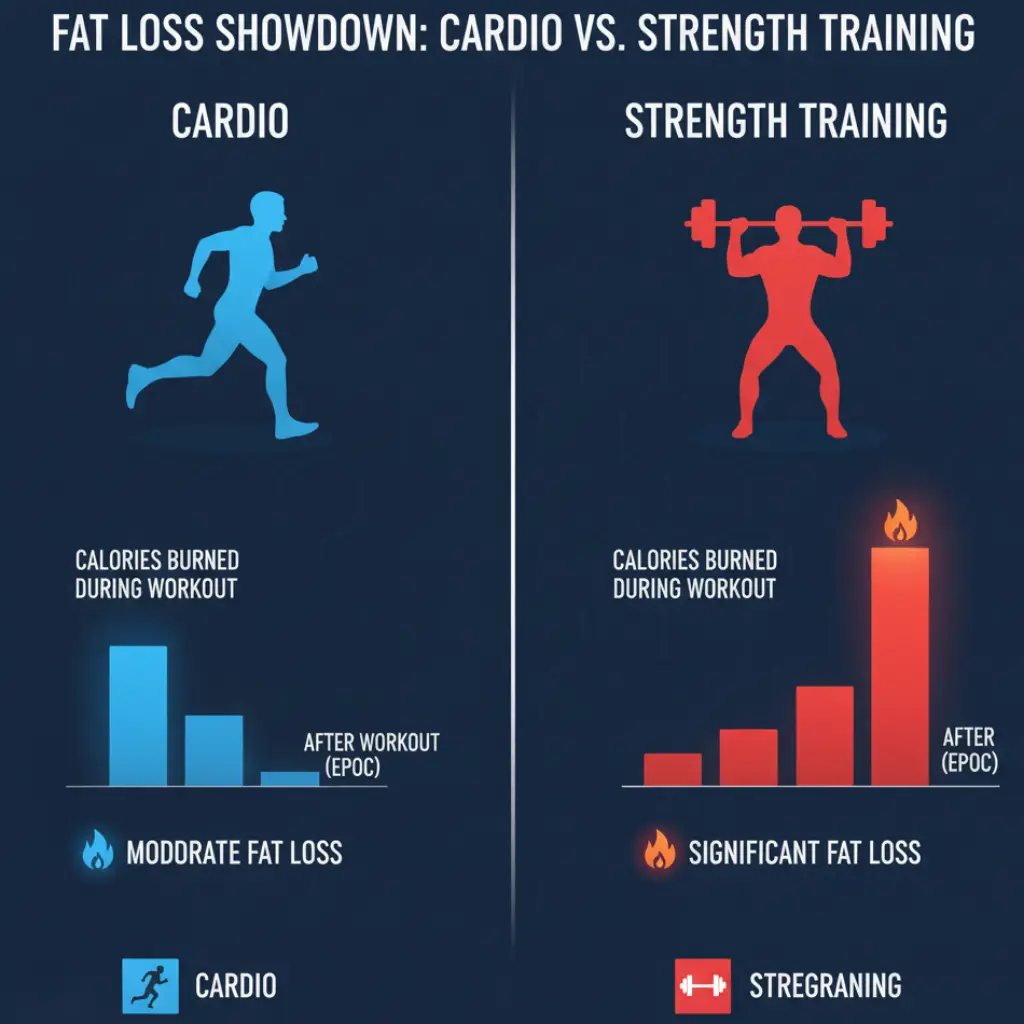
Table of Contents
Strength Training and Fat Loss Basics (Role of Strength Training in Fat Loss)
How weight lifting for weight loss works
Muscle is metabolically active tissue, which means it burns calories even when you’re resting. Studies show that each pound of muscle burns more calories than fat, helping you achieve a higher resting metabolic rate. Unlike cardio, which primarily burns calories during the workout, resistance training provides the “afterburn effect” (EPOC) where your body keeps burning energy for hours post-session. This makes resistance training fat burn highly efficient.
Why fat loss gym plans need strength training
Pure cardio can create a calorie deficit but often at the expense of muscle tissue. Losing muscle reduces your metabolism, making long-term fat loss harder. Strength training ensures muscle is preserved while fat is reduced, leading to a leaner body composition. For balanced results, combine both methods—see our detailed breakdown here: Combining Cardio and Strength Training.
Strength Workouts vs Cardio in Fat Loss
Cardio vs weight training for belly fat
Cardio is effective for calorie expenditure, but spot reduction—especially belly fat targeting—is a myth. Scientific evidence shows fat loss happens systemically, not locally. This means the best strategy for belly fat is reducing total fat through a calorie deficit, supported by lifting weights. Learn more at Spot Reduction Myth.
Does strength training burn fat faster than cardio?
While cardio burns more calories during the session, lifting weights creates metabolic adaptations that sustain long-term fat burning. Resistance training increases lean mass, boosts hormonal response, and keeps energy expenditure elevated after the workout. A blend of both methods is most effective, but for lasting fat loss, strength training is essential.
Hormonal and Metabolic Benefits
Hormones and strength training for fat loss
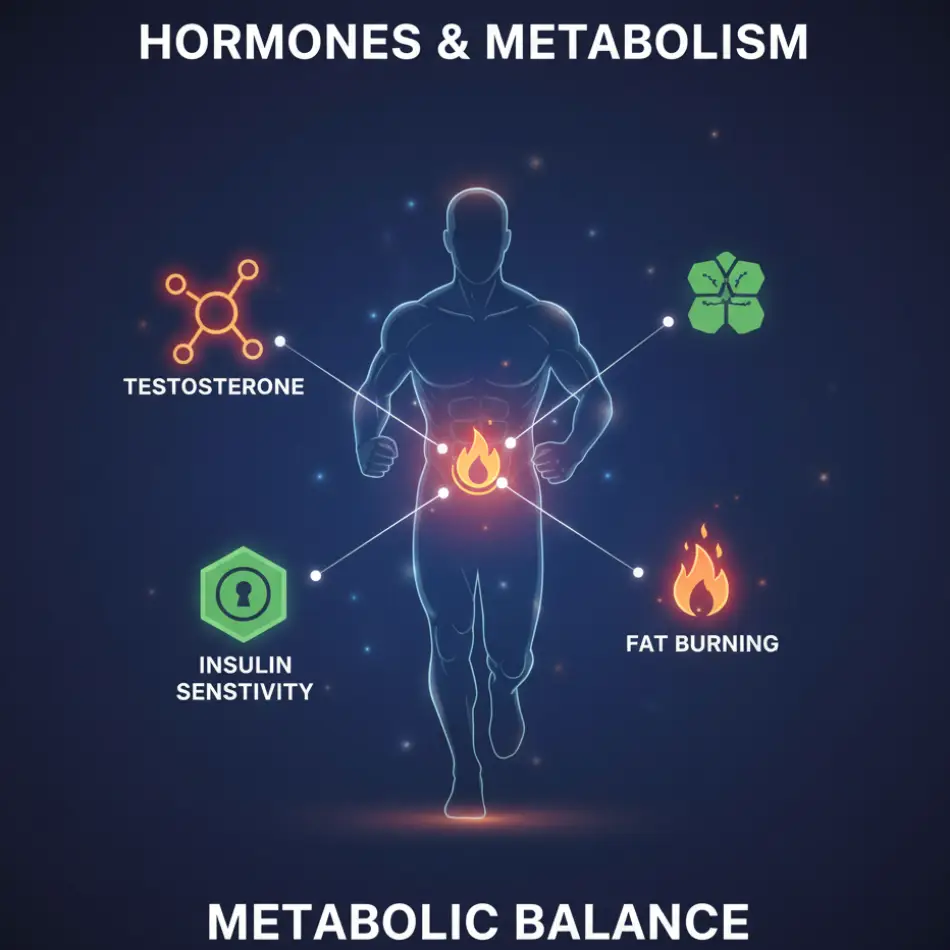
Strength training boosts testosterone and growth hormone, both critical for fat oxidation and muscle retention. It also improves insulin sensitivity, reducing fat storage tendencies. For more details on hormone interaction, see Hormones and Weight Loss.
Why strength training supports sustainable calorie deficit
Building lean mass raises your baseline energy needs, meaning you can eat more while still staying in a deficit. Strength training also reduces hunger by regulating appetite hormones. This creates a realistic, sustainable calorie deficit. Learn how here: Sustainable Calorie Deficit.
Fat Loss Gym Plans for Men and Women
Weight training for weight loss female
A common myth is that lifting makes women bulky. In reality, hormonal differences mean women rarely gain large muscle mass without specific conditions. Instead, strength training supports bone density, tones muscles, and boosts metabolism, making it perfect for female fat loss. See realistic outcomes here: Healthy Six Pack Goals.
Designing a strength workouts for fat loss plan
A sample fat loss gym plan could look like:
- 3–4 days per week of resistance training
- 2–3 cardio sessions for heart health
- Focus on progressive overload to challenge muscles
This balance ensures optimal fat reduction while maintaining strength.
Common Mistakes in Strength Training for Fat Loss
Why you’re not losing weight even with lifting
Some lifters assume lifting burns unlimited calories, leading to overeating. Without proper diet alignment, fat loss stalls. Nutrition is the missing link—see Why You’re Not Losing Weight.
Focusing only on scale weight
When you lift, you may gain muscle while losing fat, making the scale misleading. Tracking body composition is better. Real changes often show in measurements, not just body weight. Proof can be seen in Before and After Transformations.
Evidence-Based Strength Training Exercises
Best compound lifts for fat loss
Compound lifts like squats, deadlifts, bench presses, rows, and pull-ups engage multiple muscle groups, increasing calorie demand. These are non-negotiables in any fat loss gym plan.
Strength training exercises that maximize fat burn

High-intensity techniques like circuits, supersets, and metabolic resistance training elevate heart rate and calorie burn. Below is an example fat loss workout:
| Exercise | Sets x Reps |
|---|---|
| Barbell Squat | 4 x 8 |
| Bench Press | 4 x 8 |
| Pull-Ups | 3 x Max |
| Romanian Deadlift | 4 x 10 |
Long-Term Lifestyle Approach
Strength training for sustainable fat loss
Quick-fix programs fail, but resistance-based training creates lasting body changes. Adapting your training prevents plateaus and ensures lifelong progress. More details at Long-Term Fat Loss Lifestyle.
Role of mindset and habits in fat loss training
Consistency matters more than intensity. Building habits like meal prep, gym scheduling, and progressive training ensures success. Learn how at Mindset and Habit Building.
Real-World Transformations with Strength Training

Case studies and success stories
Clinical studies show resistance training is more effective for body composition than cardio alone. Real-world examples demonstrate dramatic fat loss and muscle definition.
How strength training reshapes body composition
Lifters who focus on resistance training often weigh the same but look leaner, healthier, and stronger. Strength training transforms fat into lean tissue for visible results.
Conclusion: Actionable Takeaways
- Strength training is a cornerstone of fat loss gym plans.
- Combining resistance training with proper nutrition outperforms cardio alone.
- Focus on consistency, compound lifts, and sustainable lifestyle habits.
- Internal call to check Long-Term Fat Loss Lifestyle.
FAQs
Weight training for weight loss female
Addresses myths, metabolism, body composition improvements.
Cardio vs weight training for belly fat
Spot reduction doesn’t work, lifting + diet reduce visceral fat
Does lifting weights burn belly fat?
Not directly, but reduces total body fat and preserves muscle.
Does strength training burn fat faster than cardio?
Different mechanisms, both work, combo most effective.
Strength training exercises
Squats, deadlifts, presses, rows, lunges, pull-ups, circuits.
Strength training for weight loss
Improves metabolism, body composition, long-term fat loss.
Strength training benefits female
Hormonal balance, bone density, lean muscle, metabolism boost.
Can you lose weight just by lifting weights no cardio?
Yes if calorie deficit exists, though cardio improves fitness.
Visit my Instagram account for more