

Mindset and habit building are the real foundations of lasting fat loss. Diets, workouts, and supplements matter, but without the right mental framework and daily routines, progress rarely lasts. This article breaks down the psychology of weight loss, how to build habits that stick, and how to reshape your mindset for long-term fat loss success.
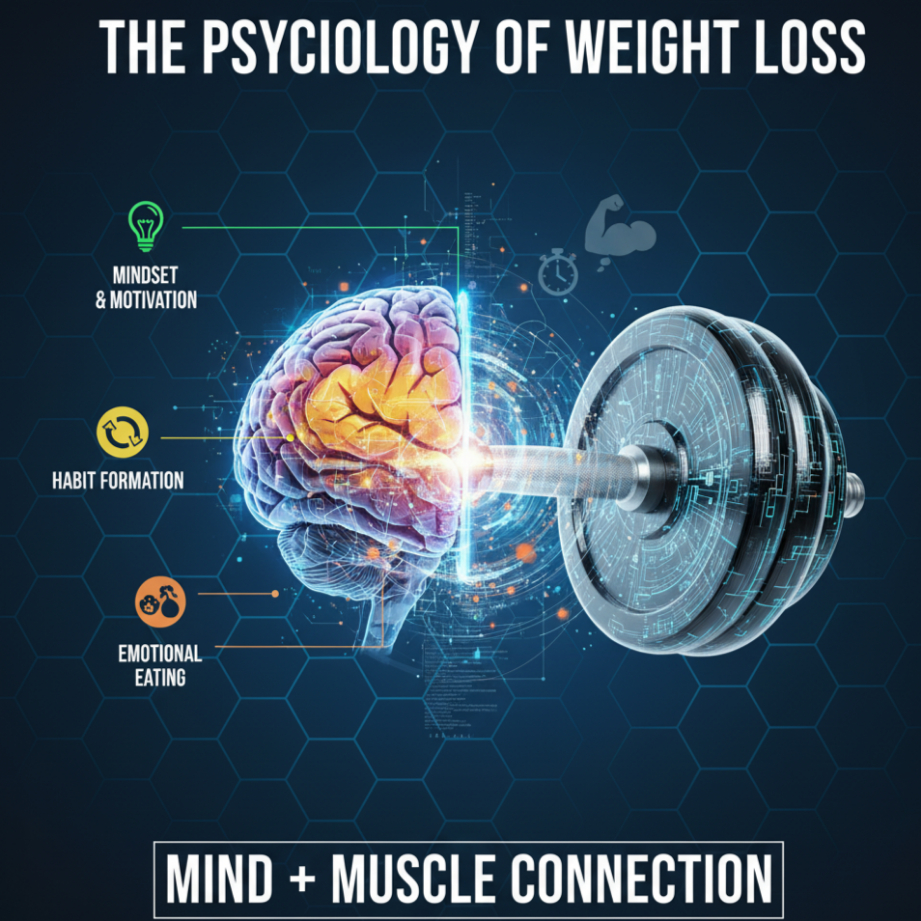
Table of Contents
Mindset and Fat Loss Success
The Role of Mindset in Weight Loss Motivation
Weight loss motivation does not come from external rewards alone. Instead, it grows from internal drivers—your belief in progress and your willingness to change. People who view fat loss as punishment often quit when progress slows. Those who approach it as an investment in health sustain results.
A study published in Health Psychology found that individuals who adopted a positive mindset toward exercise were more consistent over 12 months. By reframing gym time as self-care instead of punishment, participants sustained long-term adherence.
Fixed vs Growth Mindset in Fat Loss
A fixed mindset assumes ability is set in stone. In fat loss, this looks like: “I’ll never lose weight because my metabolism is broken.” A growth mindset recognizes progress as a product of effort and learning.
Growth-oriented lifters embrace plateaus as part of the process. Instead of quitting, they adjust training, refine nutrition, or reassess sleep. That flexibility is the difference between short-term dieting and long-term transformation.
Psychology of Weight Loss
The Science Behind Behavior Change for Fat Loss
The psychology of weight loss relies on behavior loops: cue, routine, reward. Habits form when the brain ties a behavior to a trigger and a payoff. This explains why snacking during TV time feels automatic.
Willpower alone rarely breaks these loops. Instead, altering cues and rewards makes lasting change possible. For example, swapping chips with fruit still satisfies the “snack during TV” cue without sabotaging fat loss.
Emotional Triggers and Eating Habits
Emotional eating is one of the most common barriers to fat loss. Stress, boredom, and fatigue push people toward calorie-dense foods. Research from the American Journal of Clinical Nutrition shows emotional eating increases the risk of weight regain after dieting.
Practical strategies include:
- Journaling before meals to separate hunger from emotion
- Keeping non-food coping mechanisms (walking, stretching) ready
- Structuring meals to prevent energy crashes that trigger cravings
For deeper insight, read how hormones influence hunger here: Hormones and Weight Loss.
The 4 Laws of Habit Building Applied to Fat Loss
Make it Obvious, Attractive, Easy, and Satisfying
James Clear’s four laws of habit building can transform fat loss.
- Obvious: Place water bottles on your desk to prompt hydration
- Attractive: Pair workouts with a favorite playlist
- Easy: Prep meals in bulk to reduce decision fatigue
- Satisfying: Track workouts and check them off visually
Stacking Habits for Long-Term Progress
Habit stacking means linking new behaviors to existing ones. For example:
- After brushing teeth → drink a glass of water
- After morning coffee → pack gym clothes
- After finishing work → take a 20-minute walk
These micro-habits compound into identity change, creating sustainable fat-loss behaviors.
Building Habits for Fat Loss Step by Step
Keystone Habits That Influence Fat Loss
Some habits influence more than one area of health. Known as “keystone habits,” they create momentum across multiple behaviors:
| Keystone Habit | Impact on Fat Loss |
|---|---|
| Strength Training | Increases metabolism, improves insulin sensitivity, builds muscle mass |
| Sleep Quality | Balances hunger hormones, reduces cravings, aids recovery |
| Food Journaling | Improves awareness of calorie intake, reduces mindless eating |
For more, check the Role of Strength Training in Fat Loss.
Creating Daily Systems Over Goals
Goals are important, but systems drive results. Instead of aiming for “lose 10 lbs in 2 months,” focus on daily systems:
- Lift 3x per week
- Sleep 7–8 hours
- Track protein intake
Read more about systems here: Sustainable Calorie Deficit.
Difference Between Habits and Mindset
How Habits Shape Your Identity
Habits define who you are becoming. Tracking calories consistently reinforces the belief: “I am someone who takes control of my nutrition.” Over time, identity shifts from “on a diet” to “a healthy person.”
Mindset as the Lens for Behavior Change
Mindset shapes how habits feel. If a workout is seen as punishment, it becomes unsustainable. If it’s reframed as progress, the same habit feels rewarding.
This is why many people get stuck despite effort. For a deeper breakdown, see Why You’re Not Losing Weight.

The 3 R’s of Habit and Fat Loss
Reminder, Routine, Reward Explained
The 3 R’s are the foundation of habit psychology:
- Reminder (cue): trigger that starts the habit
- Routine: the action itself
- Reward: the payoff that reinforces the loop
Example: Lay gym clothes out at night (reminder), do morning workout (routine), feel energized (reward).
Breaking Bad Habits with the 3 R’s
To break habits, you must disrupt the loop. Replace late-night snacking with tea and a short walk. The cue remains (evening relaxation), but the routine and reward shift.
Growth Mindset Characteristics in Fat Loss
The 5 Traits of a Growth Mindset
According to research from Stanford, five key traits define a growth mindset:
- Belief in effort over talent
- Persistence through challenges
- Openness to feedback
- Viewing failure as learning
- Embracing continuous improvement
Reframing “Failure” as Feedback
Fat loss progress is never linear. Plateaus are not setbacks—they’re data points. Progress photos, measurements, and training logs reveal patterns. Adjustments made from feedback drive long-term success.
Long-Term Fat Loss Lifestyle Through Mindset
From Short-Term Diets to Lifelong Habits
Diet hopping creates frustration. Real success comes from turning short-term goals into sustainable routines. Transitioning from “cutting for summer” to “healthy year-round” creates freedom instead of restriction.
Real Transformations and Their Common Mindset Traits
Long-term success stories share mindset traits: patience, self-compassion, and consistent daily habits. These individuals don’t chase perfection—they stay consistent.
For inspiration, see Before and After Transformations and Long-Term Fat Loss Lifestyle.
Conclusion: Actionable Takeaways
Mindset and habit building drive fat loss more than diets or temporary motivation. Start with keystone habits like strength training, sleep, and food journaling. Build systems over goals, and use growth mindset traits to push through setbacks. Lasting fat loss is not about quick fixes—it’s about reshaping daily actions and beliefs into a sustainable lifestyle.
FAQs
What are the 4 laws of habit building?
The four laws are: make it obvious, make it attractive, make it easy, and make it satisfying. They create a framework for building habits that last.
What is the difference between habits and mindset?
Habits are repeated actions, while mindset is the belief system driving those actions. Both are essential for long-term fat loss.
What are the 3 R’s of habit?
The 3 R’s are Reminder, Routine, and Reward, which form the loop sustaining habits.
What are the 5 characteristics of a growth mindset?
Effort, persistence, openness to feedback, learning from mistakes, and continuous improvement.
Visit my Instagram account for more