

A long-term fat loss lifestyle is not about crash diets or quick fixes. It’s about building habits that lead to sustainable weight loss and permanent fat loss. Instead of chasing a “7-day diet plan,” the key is creating a long term diet plan that fits your life. This guide covers proven nutrition, training, and mindset strategies backed by science — helping you achieve results that last.
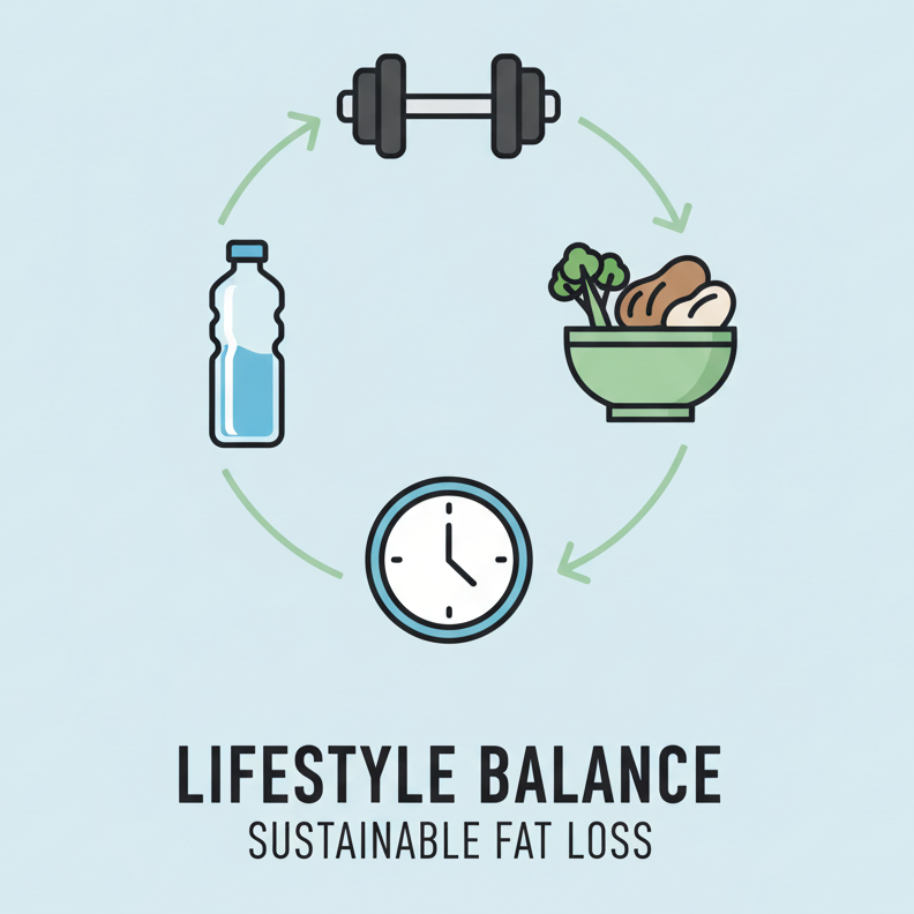
Table of Contents
Building the Foundation of a Long-Term Fat Loss Lifestyle
Why Quick Fixes Don’t Work for Permanent Fat Loss
Crash diets promise fast results but rarely deliver long-term success. Studies show that over 80% of dieters regain the weight within two years. The body adapts to extreme calorie cuts by lowering metabolism and increasing hunger hormones, making rebound weight gain almost inevitable.
Instead of chasing “lose weight in 7 days” hacks, focus on a lifestyle for fat loss that fits your daily reality. Sustainable strategies prevent the cycle of yo-yo dieting and support real body composition changes.
The Role of Lifestyle in Fat Loss Success
Permanent fat loss comes from consistent daily behaviors, not occasional extremes. Habits like meal prepping, regular training, and structured sleep patterns matter more than short bursts of discipline. Adopting the right mindset is key to successful long-term weight loss (mindset and habit building).
Nutrition Principles for a Sustainable Weight Loss Plan
Creating a Long Term Diet Plan That Works
A diet plan should not feel like punishment. The goal is balance:
- Calorie deficit (burning more than you consume) drives fat loss. (sustainable calorie deficit)
- Protein supports muscle preservation and satiety.
- Carbs fuel training performance.
- Healthy fats regulate hormones.
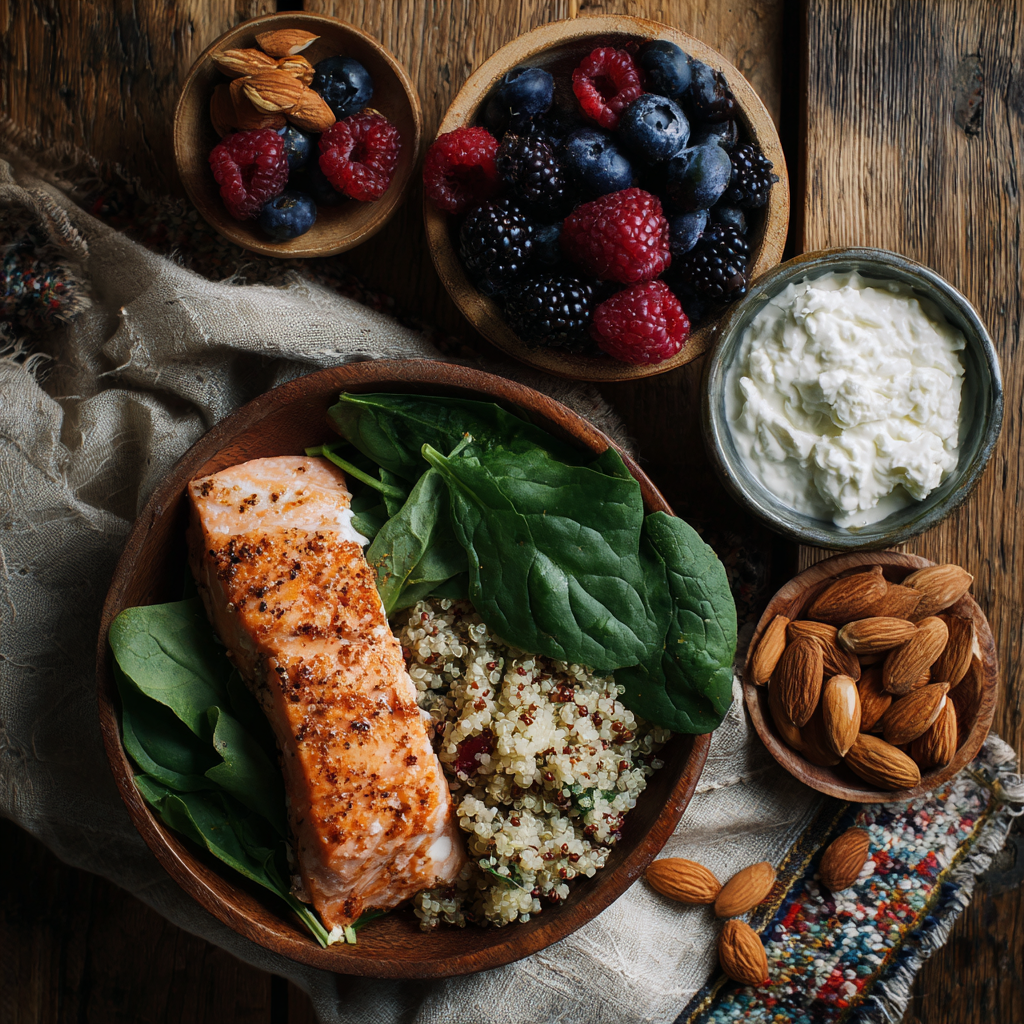
Example of a Long-Term Fat Loss Lifestyle Meal Plan
Here’s a sample day:
| Meal | Example Foods |
|---|---|
| Breakfast | Oats with whey protein, berries, and almond butter |
| Lunch | Grilled chicken, quinoa, roasted vegetables |
| Snack | Greek yogurt with nuts |
| Dinner | Salmon, sweet potato, and spinach salad |
This flexible structure prevents binge eating and supports permanent fat loss.
Training for Permanent Fat Loss
Strength Training for Long-Term Results
Strength training is essential for fat loss because it preserves muscle mass while burning fat. More lean muscle means a higher metabolic rate. Programs built around compound lifts are proven to support permanent results (role of strength training in fat loss).
Cardio + Strength: The Balanced Approach
Cardio burns calories quickly, while strength training builds a stronger body. The most effective method is combining the two (combining cardio and strength training).
Hormones and Long-Term Fat Loss Success
How Hormones Impact Weight Loss
Fat loss is not just calories in vs. out. Hormones such as insulin, leptin, and cortisol play a huge role in how the body stores fat. Imbalances can stall progress (hormones and weight loss).
Practical Strategies to Support Hormonal Balance
- Prioritize 7–9 hours of sleep
- Manage stress through meditation or journaling
- Maintain a diet with fiber, omega-3s, and lean protein
Debunking Myths Around Long-Term Fat Loss
The Truth About Spot Reduction
You can’t pick where your body burns fat. Research shows “ab workouts” don’t directly reduce belly fat (spot reduction myth). Instead, total body fat reduction through diet and training works.
“Lose Weight in 7 Days” vs. Long-Term Fat Loss
[PAA: how to lose weight in 7 days] promises exist everywhere, but rapid loss is usually water and glycogen, not fat. Focusing on a long-term fat loss lifestyle ensures permanent results.
Tailored Approaches for Different Populations
Long-Term Fat Loss Lifestyle for Females
Women face unique challenges: hormonal cycles, lower average muscle mass, and social diet pressures. A female-specific approach emphasizes strength training, adequate protein, and managing cycle-related hunger ([long term fat loss lifestyle female]).
How to Lose Body Fat Fast Female — The Safe Way
[PAA: how to lose body fat fast female] often leads to fad diets. Instead, women should aim for a steady 0.5–1 lb loss per week with resistance training for muscle preservation.
Realistic Goal Setting and Tracking Progress
Why You’re Not Losing Weight: Hidden Factors
Metabolic slowdown, poor sleep, and stress often block progress (why you’re not losing weight). Tracking food accurately and monitoring recovery are key solutions.
Using Progress Beyond the Scale
The scale is just one tool. Photos, clothing fit, and strength improvements often show progress more clearly (before and after transformations).
Lifestyle Integration and Long-Term Maintenance
Building Habits That Stick for Permanent Fat Loss
Habits such as meal prepping, scheduling workouts, and mindful eating keep results sustainable (mindset and habit building).
Healthy Goals: Fat Loss vs. Six-Pack Obsession
Chasing abs can lead to unhealthy restriction. Instead, focus on strength, energy, and balanced goals (healthy six pack goals).
FAQs
Long term fat loss lifestyle pdf
A good guide should include nutrition strategies, training principles, and habit-building methods. Always look for science-based approaches, not fad diets.
Long term fat loss lifestyle female
Women benefit from structured strength training, cycle-based nutrition adjustments, and higher protein intake.
Long term fat loss lifestyle meal plan
A sample plan balances protein, carbs, and fats with whole foods. (See table in Part 2).
How to lose weight fast naturally and permanently
Permanent fat loss takes time. The best way is through consistent training, balanced eating, and mindset changes — not “quick fixes.”
Visit my Instagram account for more