

Most people chasing abs focus on shortcuts. But healthy six-pack goals require balance, patience, and safe practices. Abs should be a byproduct of strength, nutrition, and long-term fat loss—not crash diets or endless crunches. Here’s your practical roadmap.
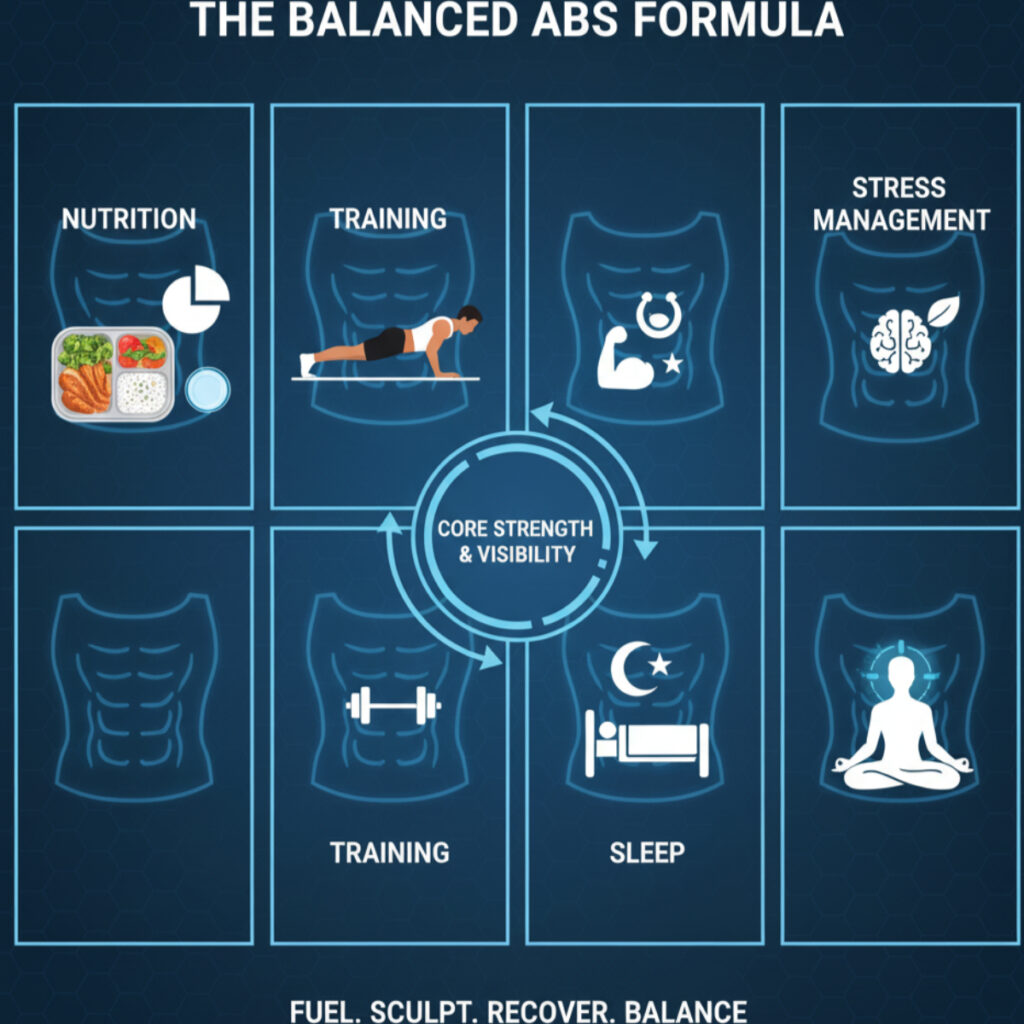
Table of Contents
The Truth About Healthy Six-Pack Goals
Why Six-Pack Abs Are More About Health Than Looks
Six-pack abs signal a lean physique, but they shouldn’t be your only measure of success. If you cut body fat too low, hormones and performance can suffer. Healthy goals mean keeping body fat at a sustainable level while maintaining strength. Research shows extreme leanness disrupts testosterone and menstrual cycles. That’s why abs should support, not sabotage, your health.
How Genetics Affect Ab Definition
Some people’s abs “pop” at higher body fat, while others need to go leaner. Ab shape is genetic—you can’t carve a six-pack that wasn’t programmed into your DNA. What you can control is muscle thickness through core training and fat loss to reveal them.
Nutrition for Safe Fat Loss and Ab Definition
Is Abs Really 80% Diet?
You’ve heard it before: “Abs are made in the kitchen.” Nutrition drives fat loss, but it’s not the whole story. Training, sleep, and stress play equal roles. A calorie deficit is essential, but starving yourself is not.
(🔗 Sustainable Calorie Deficit)
Smart Food Choices for Ab Visibility
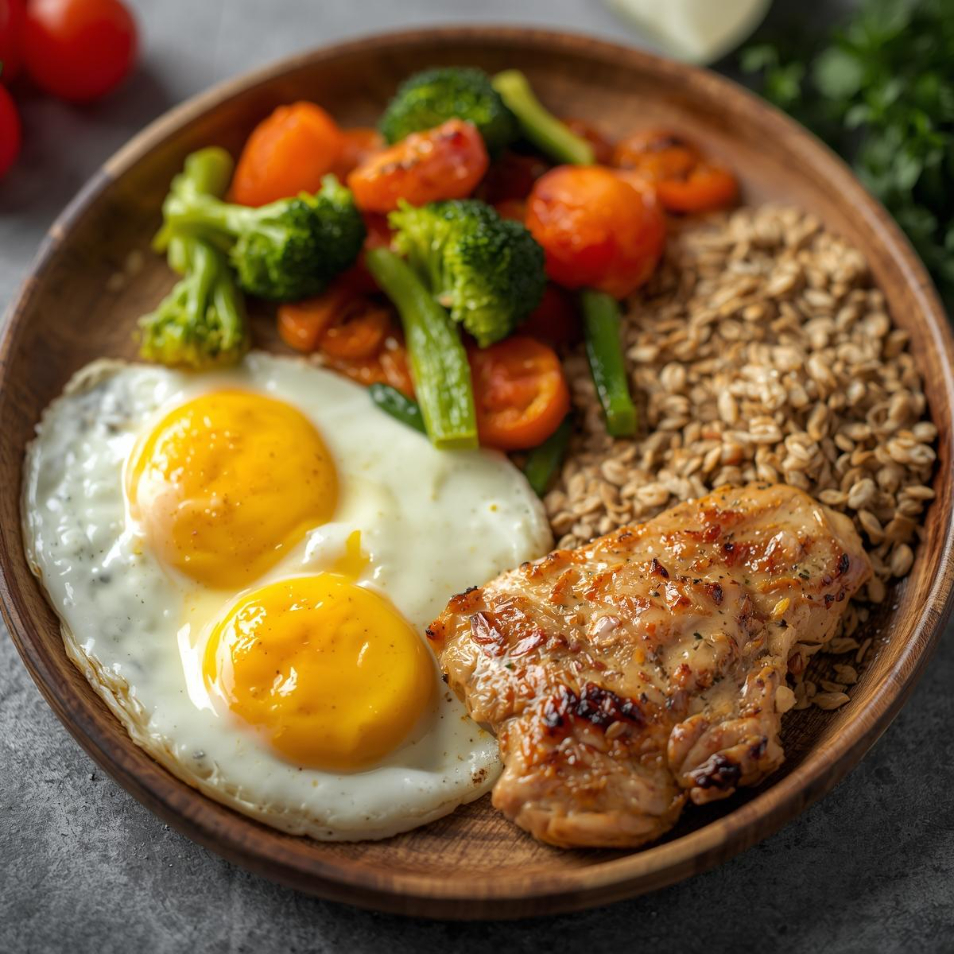
A six-pack-friendly diet is high in lean protein, whole foods, and fiber. Eggs, chicken, oats, and vegetables keep hunger at bay. Carbs aren’t the enemy; they fuel your workouts. Healthy fats balance hormones. The key is moderation, not elimination.
The Role of Fat Loss in Six-Pack Abs
Fat Loss for Abs Without Starving Yourself
You can’t out-train overeating. Fat loss happens when calories burned exceed calories consumed, but the process must be sustainable. Rapid diets lead to rebound weight gain. Aim for 0.5–1% body weight lost per week.
(🔗 Why You’re Not Losing Weight)
Spot Reduction Myth vs. Reality
Crunches won’t burn belly fat. Fat loss happens systemically, not locally. You’ll lose fat from your body in a pattern you can’t control. Training your abs builds muscle thickness, but visibility comes from overall fat loss.
Six-Pack Workout Essentials
Core Training for Function, Not Just Looks
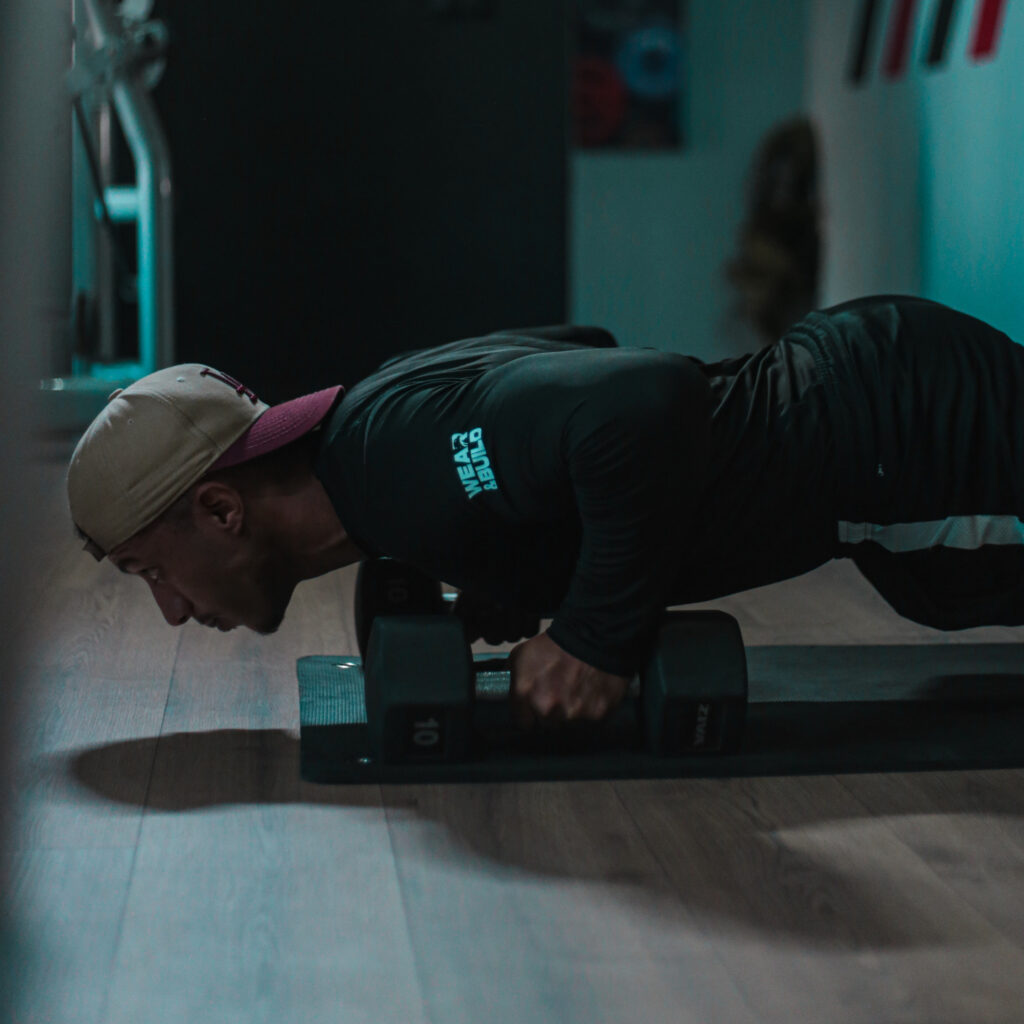
Strong abs do more than look good—they stabilize your spine, improve posture, and prevent injuries. Movements like planks, Pallof presses, and hanging leg raises challenge your core safely. Crunches can help, but they’re not enough.
Six-Pack Workout That Supports Fat Loss
The best six-pack workout combines strength and cardio. Compound lifts build muscle, while cardio increases calorie burn. Together, they create the fat-loss environment abs need.
(🔗 Combining Cardio and Strength Training)
Strength Training’s Role in Ab Goals
Why Building Muscle Helps Show Abs
The more muscle you have, the more calories you burn—even at rest. Strength training raises metabolism and preserves muscle while dieting. That’s why resistance training is critical for revealing abs.
(🔗 Role of Strength Training in Fat Loss)
Compound Lifts That Hit the Core Naturally
Big lifts like squats, deadlifts, and overhead presses engage your abs to stabilize your torso. Add direct ab training after your main lifts for maximum benefit.
Lifestyle Habits for Long-Term Six-Pack Results
Sleep, Stress, and Hormones in Fat Loss
Chronic stress raises cortisol, which promotes fat storage around the belly. Poor sleep lowers recovery and makes fat loss harder. Seven to nine hours of quality sleep and stress management are non-negotiable.
Building Sustainable Routines for Ab Goals
Crash diets fail because they ignore habits. Instead, focus on routines you can sustain for years: consistent workouts, balanced meals, and recovery.
(🔗 Mindset and Habit Building)
How Long Does It Take to See Abs?
Realistic Timeline for Men and Women
Most men see abs around 10–12% body fat, while most women need 16–20%. Depending on your starting point, reaching these levels may take 3–6 months or longer. Remember, safe fat loss is slow but sustainable.
Before and After: Why Patience Pays
Quick fixes rarely work. Transformation photos highlight consistency, not hacks. The real win is building habits that last long after the six-pack shows.
(🔗 Before and After Transformations)
Maintaining Healthy Six-Pack Goals
Why Maintenance Is Harder Than Cutting
Losing fat is one thing—keeping it off is harder. Your body adapts by increasing hunger and lowering energy expenditure. That’s why maintenance needs strategy.
Staying Lean Without Sacrificing Quality of Life
The healthiest six-pack is one you can keep without constant stress. Balance meals with social life, enjoy flexibility, and accept that you don’t need shredded abs year-round.
(🔗 Long-Term Fat Loss Lifestyle)
Conclusion: Key Takeaways for Healthy Six-Pack Goals
- Visible abs come from safe fat loss, not extreme diets.
- Training, nutrition, and sleep work together.
- Patience and habits build results that last.
- Health always comes before aesthetics.
FAQs
Is abs 80% diet?
Diet is crucial, but not everything. Abs come from a mix of smart nutrition, consistent training, recovery, and stress management.
Can I eat eggs if I want abs?
Yes. Eggs support fat loss and recovery. They’re nutrient-dense, high in protein, and help keep you full.
How long will it take to get a 6 pack abs?
Most people need 3–6 months of consistent fat loss, depending on body fat, genetics, and training habits.
How many meals should I eat a day if I want abs?
Meal frequency doesn’t matter. Total calorie and protein intake are what count. Eat 3–5 meals depending on preference.
Visit my Instagram account for more